Cart
Your cart is empty

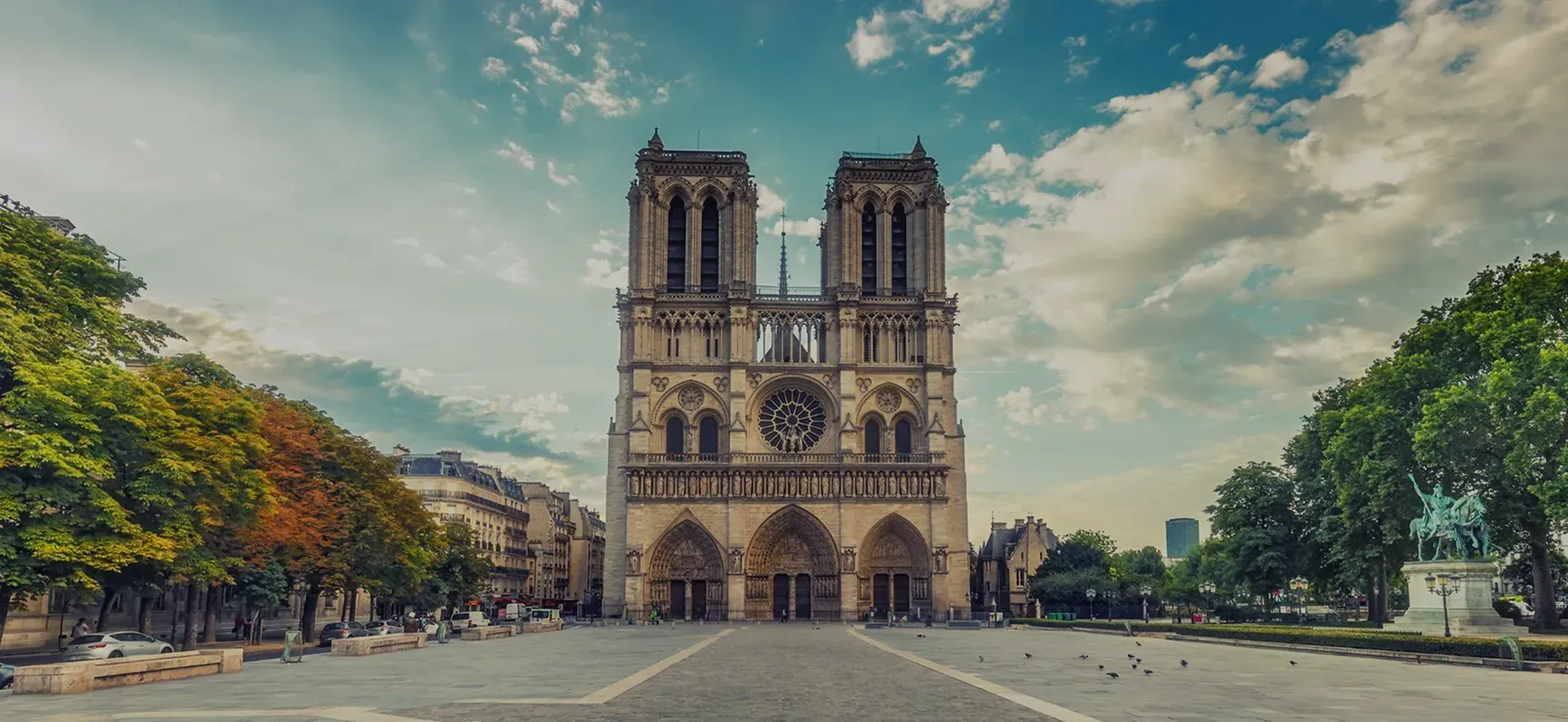
Discover Notre Dame de Paris with the tour operator Qualium, with exclusive access and expert guide. Experience an immersive tour among stained glass windows, gargoyles, and centuries of history in the Gothic heart of the city.

The Notre Dame Cathedral of Paris, located on the Île de la Cité over the Seine River, is a jewel of Gothic architecture that began construction in 1163 and culminated in the 14th century.
This masterpiece combines elements of classic Gothic with slight echoes of Romanesque, using flying buttresses, ribbed vaults, and huge colorful rose windows that project light and history.
The western facade, flanked by two towers 69 m high, displays sculpted reliefs on the three doors and a gallery of kings that connects with the emblematic Gallery of Chimeras.
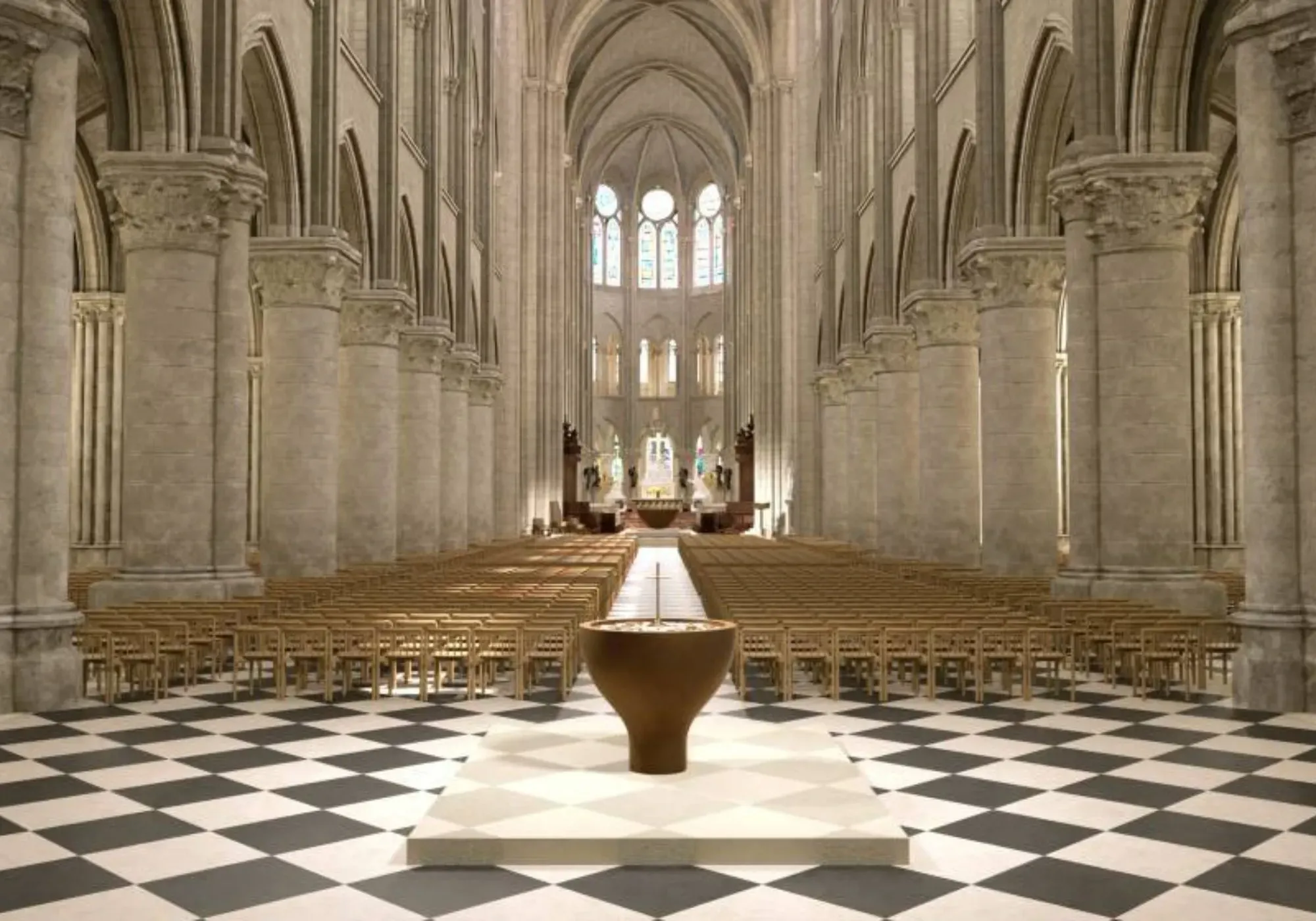
Inside, the naves rise elegantly towards the clerestory windows, while the choir preserves the 18th-century Pietà and relics like the Crown of Thorns.
During the French Revolution, it suffered profanations and losses of works, but it recovered thanks to romanticism (Victor Hugo) and the restoration project by Viollet-le-Duc in the 19th century.
On April 15, 2019, a fire destroyed part of its roof and spire, but after intense efforts, it officially reopened its doors on December 7, 2024.

⚠️ Special days and situations Sometimes, schedules may vary due to liturgical events or special celebrations.
On Thursday afternoons the cathedral remains open longer (until 22:00), a good option for those who prefer to visit at a quieter time.

Guided tour outside Notre Dame and skip-the-line access to the Cathedral:
Complete guided tour of Notre Dame with skip-the-line entry:

A visual tour of Notre Dame: its iconic facade, the stained glass windows that paint the interior with light, and the architectural details that make it a masterpiece of Gothic. This gallery captures the essence of the most famous cathedral in Paris, inviting you to discover its history, art, and magic from a unique perspective.




- Arrive 15 minutes early. Make sure to be at Pont au Double in time to identify the guide and start the tour without rush or setbacks.
- Wear comfortable and appropriate clothing. It is recommended to dress respectfully inside the temple. Also, wearing comfortable shoes will make you enjoy the tour without discomfort.
- Book your Notre Dame Tour online. Booking your entry guarantees access to Notre Dame without waits, avoiding queues and securing your spot at the chosen time.
- Ask the guide. Take advantage of the experience to discover symbols, legends, and architectural details that often go unnoticed.
- Enjoy the stained glass windows. Take a moment to contemplate the rose windows and Gothic stained glass. The light they filter is one of the greatest attractions of the cathedral.
- Check special schedules. Liturgical celebrations may modify the visit. Check before going to avoid surprises and better plan your experience.
The easiest way to reach the meeting point is by metro. The nearest station is Cité on line 4. Board in the correct direction (towards Porte de Clignancourt or Bagneux - Lucie Aubrac, depending on where you are).
Upon exiting the Cité station, walk to Pont au Double, a small pedestrian bridge that connects Île de la Cité with the left bank of the Seine. The walk is just 3 minutes.
The bridge is located right next to the most important suburban train station in the Latin Quarter, Saint-Michel – Notre Dame. Both line B and line C stop at this station:
RER B. Connects the north and south of Paris. It is the line that arrives from and goes to Charles de Gaulle Airport (CDG) and Orly Airport (ORLYBUS), as well as the large southern suburbs.
RER C. Runs along the Seine River. Connects the west and southeast of Paris.
From the RER Saint-Michel - Notre-Dame station, follow the signs to exit towards Quai Saint-Michel, the quay next to the river, or towards Saint-Michel Square. Walk briefly along the quay (about 150 meters) and you will see Pont au Double.
The nearest bus stops are a few minutes' walk away and are served by several lines:
When you get off at the quay (Quai de Montebello), you will be on the left bank of the Seine. Pont au Double will be the small pedestrian bridge you see crossing towards Île de la Cité (where Notre Dame is). You just have to walk a few meters to get on the bridge.
Paris has a very practical shared bicycle system called Vélib’. Near the meeting point, you will find several stations to leave or pick up a bike:
If you wish to reach Pont au Double by car, there are several nearby underground public parking lots, all open 24 hours:

Each of the Notre Dame tours has an approximate duration of 60 minutes, enough time to tour the most representative spaces of the cathedral and immerse yourself in its history.
The tours are designed to balance information and enjoyment, without being rushed or too long. It is recommended to arrive 15 minutes early at the meeting point at Pont au Double to start punctually and make the most of this unique experience.
It is strictly forbidden to enter with weapons or dangerous objects (knives, scissors, tools, aerosols, syringes, etc.). Access with illegal substances, alcoholic beverages, or flammable products is not allowed. Large suitcases and luggage are prohibited; it is recommended to limit personal belongings to speed up security checks. Entry with scooters, skateboards, or similar objects is not authorized.
Smoking, eating, or drinking inside the cathedral is prohibited. Animals are not allowed, except for duly accredited medical assistance animals.
Appropriate and respectful clothing is requested in line with the religious character of the place: cover shoulders, torso, abdomen, and thighs; avoid transparent or excessively tight clothing. Men are asked to remove hats, caps, or beanies inside. Silence is requested, and respect for prayer and the contemplative atmosphere of the temple.
Phone calls are prohibited inside the cathedral. Photography without flash is allowed, except in marked areas. Tripods, selfie sticks, and professional equipment are not authorized without prior permission.
All visitors must pass through security checks at the entrance. The premises are protected and supervised to ensure everyone's safety.